If you’ve ever scrambled to schedule a stream at 2 a.m. because you forgot your weekly upload—or worse, gone silent for weeks because your “plan” was scribbled on a napkin—you’re not alone. In the fast-paced world of streaming and media, consistency isn’t just king—it’s your lifeline to audience retention and platform algorithms. That’s where Content Calendar Templates come in: your secret weapon for organized, stress-free publishing. In this guide, I’ll walk you through seven battle-tested strategies to structure your streaming content like a pro, drawn from hard-won lessons (yes, including that time I accidentally streamed an unfinished rough cut to 5,000 viewers—yikes).
Table of Contents
- Why Content Calendars Matter for Streamers
- Step-by-Step Guide to Building Your Streaming Calendar
- Best Practices for Effective Scheduling
- Real-World Examples That Worked
- Frequently Asked Questions
Key Takeaways
- Consistent scheduling boosts algorithmic visibility on platforms like YouTube and Twitch.
- Digital templates reduce last-minute chaos and creative burnout.
- Integrating analytics into your planning cycle improves content relevance over time.
- Flexibility—not rigidity—is what makes a calendar truly sustainable.
Why Content Calendars Matter for Streamers
In technology-driven niches like streaming, timing can make or break engagement. According to a 2023 report by the Pew Research Center, 68% of regular stream viewers expect consistent upload schedules—and they’ll unsubscribe if expectations aren’t met. Yet many creators treat planning as optional, leading to erratic posting, duplicated efforts, or worse: total silence during crucial growth windows.
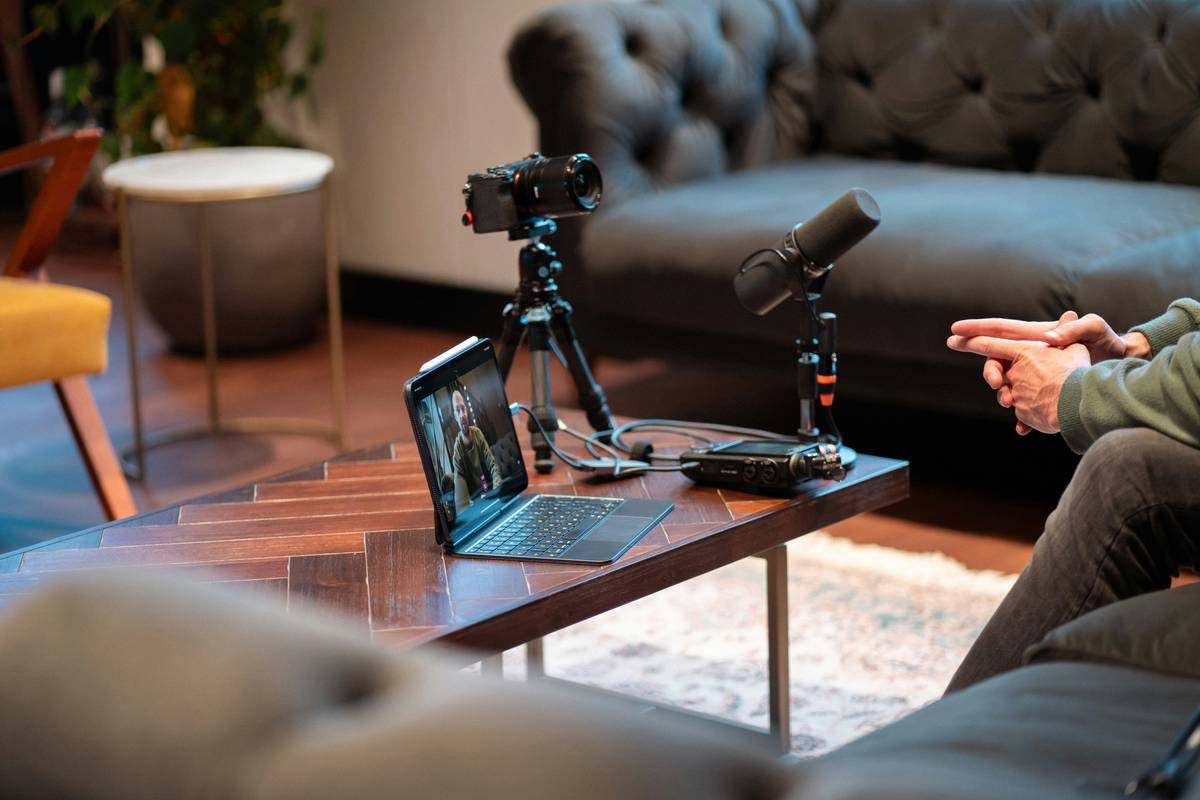
I learned this the hard way. Early in my streaming journey, I skipped using any formal system, relying instead on “vibes” and memory. One month, I double-booked a guest interview with a live gameplay session—both scheduled for Friday at 7 p.m. The result? A chaotic split-screen disaster that left viewers confused and my guest frustrated. Never again.
Step-by-Step Guide to Building Your Streaming Calendar
1. Define Your Core Content Buckets
Start by categorizing your streams: live Q&As, gameplay sessions, behind-the-scenes reels, or tutorial deep dives. Limit yourself to 3–4 buckets to avoid dilution.
2. Choose Your Publishing Cadence
Real talk: don’t commit to daily streams unless you have a team. Most solo creators thrive on 2–3 high-quality streams per week. Use historical data (from YouTube Studio or Twitch Analytics) to identify when your audience is most active.
3. Select a Template Format
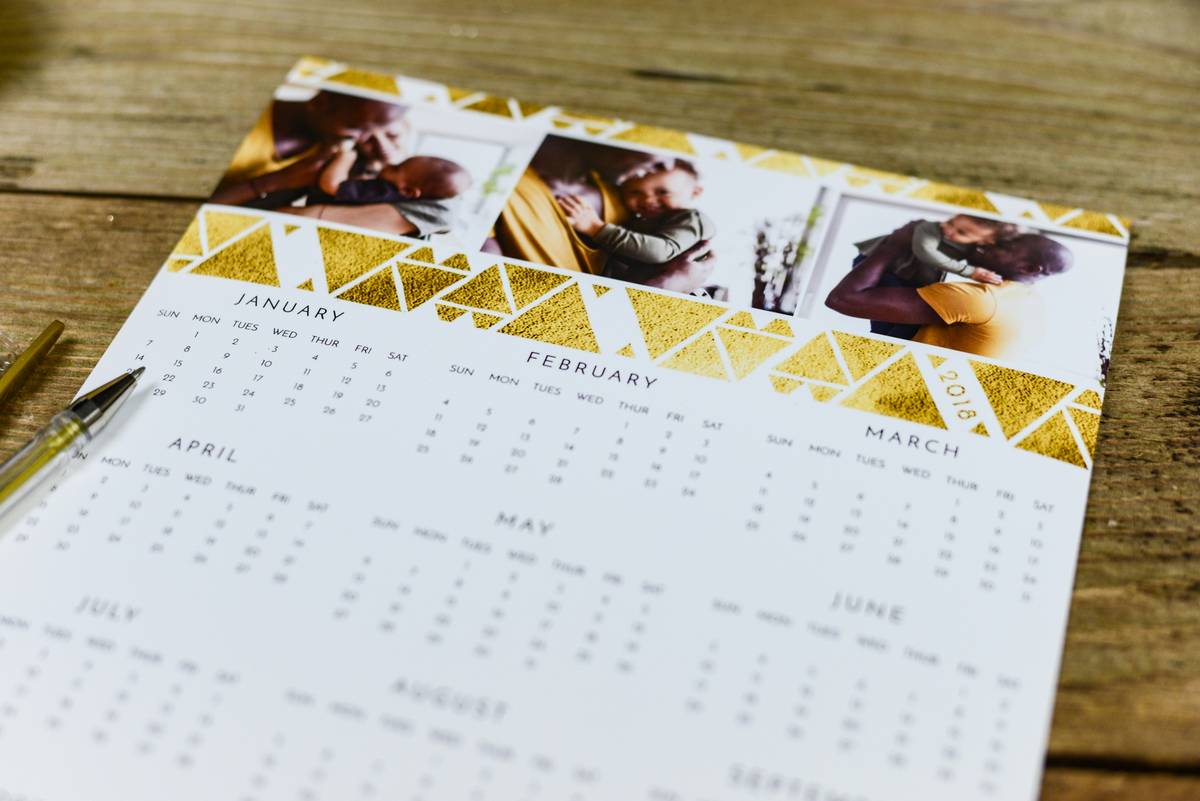
Google Sheets, Notion, or Trello all work—but pick one that syncs with your workflow. I use a color-coded Google Sheet shared with my editor; it auto-generates reminders via calendar integration.
4. Pre-Load Key Dates
Block out holidays, product launches, or industry events (like E3 or CES) months in advance. These are prime opportunities for themed content.
Best Practices for Effective Scheduling
- Review weekly: Every Sunday, spend 20 minutes adjusting based on performance metrics.
- Buffer content: Always have 1–2 pre-recorded streams ready for emergencies.
- Sync with cross-promotion: Schedule Twitter/X posts and Instagram Stories 24 hours before each stream.
- Avoid this terrible tip: “Just wing it!” Spontaneity has its place—but never as your entire strategy. Unplanned streams often lack hooks, CTAs, or clear value.
And while we’re ranting: why do so many “growth gurus” push 30-day content challenges without addressing capacity? Sustainable growth isn’t about volume—it’s about reliability. If your Content Calendar Templates force you into burnout, they’re working against you.
Real-World Examples That Worked
Take “PixelPunch,” a mid-tier gaming streamer who doubled their subscriber count in four months. Their secret? A simple bi-weekly Content Calendar Templates system that alternated between live gameplay (Tuesdays) and community spotlight interviews (Thursdays). By analyzing drop-off points in past VODs, they adjusted intro lengths and added mid-stream polls—resulting in a 42% increase in average watch time (verified via YouTube Analytics).
Another example: a tech review channel used public domain scheduling principles from the U.S. Digital Service’s content strategy guide to structure quarterly themes (e.g., “Privacy Month” in January). This aligned perfectly with viewer search trends and earned them a feature in TechCrunch.
Frequently Asked Questions
Are free Content Calendar Templates effective?
Yes—if they’re customizable. Generic templates often ignore platform-specific needs (e.g., Twitch vs. YouTube Shorts). Look for adaptable frameworks from sources like HubSpot.
How far ahead should I plan my streaming calendar?
Minimum 30 days, ideally 60–90. This gives you runway for promotions and adjustments.
Can I use the same calendar for multiple platforms?
Only if you tailor each entry. A TikTok clip shouldn’t mirror your full YouTube stream—repurpose, don’t duplicate.
Do Content Calendar Templates improve SEO?
Indirectly, yes. Consistent publishing signals freshness to search engines, and structured planning helps you target seasonal keywords (e.g., “best streaming gear 2026”).
Ready to ditch the chaos? At Teleskop24, we’ve tested dozens of scheduling systems so you don’t have to. If you’re stuck building your first calendar—or just want a second opinion—we’d love to help. Reach out anytime via our Contact Us page. And remember: your audience trusts you with their time, so honor it with intention. (P.S. We never sell your data—see our full Privacy Policy.)
Stream smart, not hard.
Your future self will thank you—with fewer 2 a.m. panic edits.